
Other names for the additive (synonyms)
General Information
Food additive E579 (ferrous gluconate) is a compound of iron (II) and gluconic acid that is widely used in the food industry as a color stabilizer.
Ferrous gluconate is a synthetic compound, although its components—iron and gluconic acid—have natural origins and are active participants in metabolic processes in living organisms.
Ferrous gluconate was first synthesized in the early 20th century for medical purposes as a highly bioavailable agent for the correction of iron deficiency conditions. It was later adopted in the food industry, particularly for the processing of black olives to preserve the intense dark color of the fruit.
The chemical formula of ferrous gluconate is C12H22FeO14·2H2O. Additive E579 is a yellowish-green or olive-colored powder, readily soluble in water and practically insoluble in alcohol, stable at room temperature and without a strong odor.
Industrially, additive E579 is produced synthetically through the reaction of gluconic acid with iron salts. Gluconic acid, in turn, is obtained by fermentation of glucose using microorganisms, for example fungi of the genus Aspergillus niger.
Effects on the Body
Benefits of Additive E579
Iron is an essential trace element that is a component of hemoglobin, myoglobin, and a number of enzymes, playing a key role in oxygen transport and energy metabolism.
Iron absorption in the body occurs mainly in the duodenum and the upper sections of the small intestine, after which it binds to transport proteins in the blood and is delivered to the liver, spleen, and bone marrow, where it is used for hematopoiesis.
Ferrous gluconate is a source of divalent iron used to replenish iron deficiency and maintain normal hemoglobin levels. Additive E579 is characterized by relatively good bioavailability and generally better tolerability than some other iron salts, although individual responses may vary.
Studies have shown that ferrous gluconate is well absorbed by the body and does not cause gastrointestinal irritation, which is sometimes observed with other iron salts.
In medicine, ferrous gluconate is used for the prevention and treatment of iron-deficiency anemia, including cases of increased iron requirements (pregnancy, lactation), blood loss, or insufficient intake or impaired absorption of iron.
Food additive E579 is used in foods and dietary supplements as a source of bioavailable iron for the prevention and correction of iron deficiency.
The EFSA Panel on Food Additives and Nutrient Sources added to Food (ANS) has included food additive E579 in the list of authorized additives in the EU. In June 2023, the panel also issued a call for data for the re-evaluation of the additive.
According to data from the Joint FAO/WHO Expert Committee on Food Additives (JECFA), the maximum tolerable daily intake of iron from all sources (including ferrous gluconate) is up to 0.8 mg/kg body weight (expressed as elemental iron).
Risks of Additive E579
Ferrous gluconate is considered a relatively safe food additive when used within the permitted limits in foods and dietary supplements.
However, according to pharmacological data, excessive intake of additive E579 may cause adverse effects, including digestive disorders (nausea, vomiting, diarrhea, constipation), darkening of stools, temporary tooth discoloration, allergic reactions, and in children—a risk of toxic iron overload.
Excessive consumption of ferrous gluconate may negatively affect the liver, heart, and other organs; therefore, individuals with conditions such as hemochromatosis should be particularly cautious with additional sources of iron.
Uses
Food additive E579 is used primarily as an effective color stabilizer and a source of bioavailable iron.
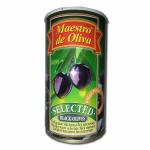
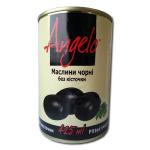
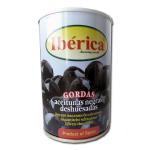
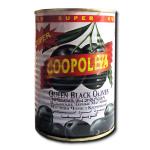
In the food industry, its key role is the fixation of the intense black color of canned olives.
In addition, due to its higher bioavailability compared with inorganic analogues, additive E579 is widely used to fortify foods with iron (infant formulas, breakfast cereals) and in the production of dietary supplements for the prevention of iron-deficiency anemia.
Legal Status
Ferrous gluconate (food additive E579) has the status of an authorized food additive in most countries worldwide, including the EU, Ukraine, the United States, Canada, and Japan, and may be used within established limits.
It is included in the International Numbering System for Food Additives under the Codex Alimentarius: CXG 36-1989 and is authorized for use in European countries in accordance with Regulation (EC) No 1333/2008 .
In the United States, ferrous gluconate has held GRAS status since 1980, meaning it is considered safe for use in foods under normal conditions.