

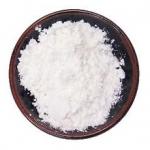
Modified starch is a plant-derived starch in which one or more original characteristics have been altered through appropriate processing. Physical (exposure to high temperatures), chemical (interaction with acids and alkalis), and enzymatic methods are used to modify starch.
In light of consumer concerns about genetically modified products, it should be stated at the outset that modified starch is not a genetically modified product.
Genetically modified products are produced using modern genetic engineering techniques. In this case, all genetic changes are aimed at improving crop yields, increasing plant resistance to pests, and enhancing the taste or other qualities of foods.
Modified starches, as mentioned above, undergo entirely different modifications at the stage of finished raw material. The best-known method of starch modification is bleaching to achieve an ideally white color.
Other starch modification methods involve its interaction with hydrochloric or orthophosphoric acid, sodium or potassium hydroxide. In addition, esterification methods with acids and phosphates are used.
As a result, modified starch acquires new properties required in the production of a wide variety of foods: decreased or increased starch viscosity, resistance to high temperatures, the ability to withstand repeated freeze–thaw cycles, reduced or increased gelatinization time, changes in texture, and others.
You can learn more about each method of producing modified starch and the properties it acquires in the “food additives” section of our website. Note that, according to the Codex Alimentarius, the following food additives are classified as modified starches: E1400, E1401, E1402, E1403, E1404, E1405, E1410, E1412, E1413, E1414, E1420, E1422, E1440, E1442, E1450, E1451.
The Panel EFSA, in its assessment, concluded that there are no grounds for concern regarding the safety of using modified starches as food additives for the intended uses and at the proposed levels for the general population, and that there is no need to establish a numerical ADI value.
In the food industry, modified starches are used as stabilizers and emulsifiers. They are widely applied in virtually all types of products, including mayonnaise, confectionery, dairy desserts, ice cream, infant formulas, canned foods, meat products, and others.